
The Spring Reset: Lymphatic Drainage, Gut Health & Sustainable Nutrition.
The Spring Reset: Lymphatic Drainage, Gut Health & Sustainable Nutrition. Home / Blog As a
Massage Therapy In Marylebone, London By Marta
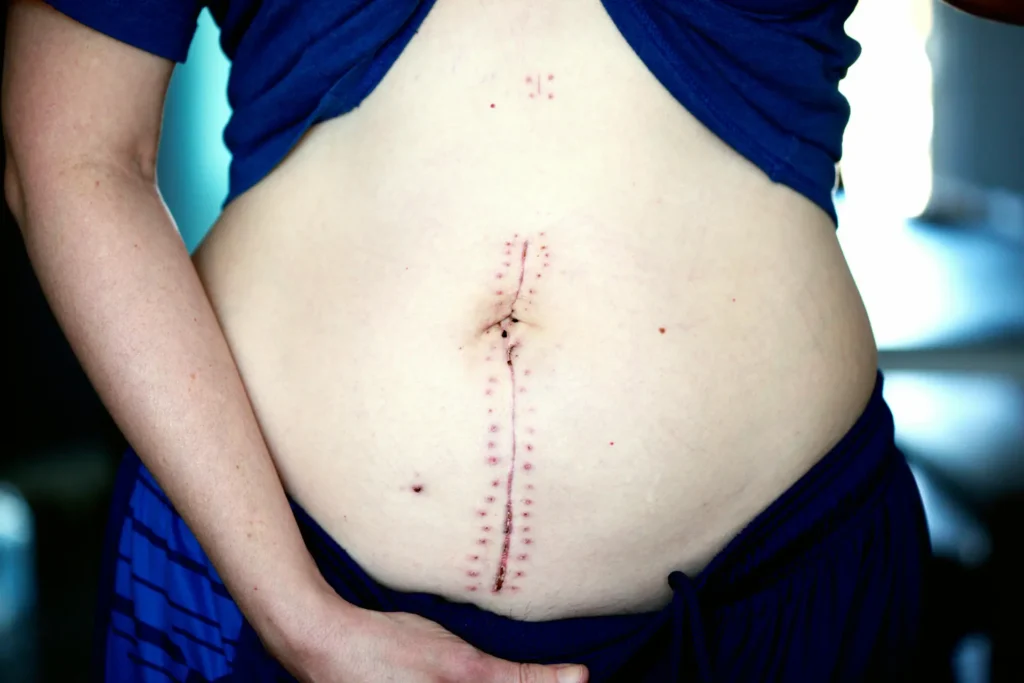
Recovering from surgery can feel overwhelming – there’s swelling, bruising, tightness and a long list of things you “should” be doing. Manual lymphatic drainage post surgery is a gentle, medically recognised massage technique designed to support your body’s natural healing by encouraging lymph fluid to move more freely. Used alongside your surgeon’s advice, compression garments and healthy lifestyle habits, it can make recovery more comfortable and help you feel more like yourself again.
Manual lymphatic drainage (MLD) is a specialised, very light form of massage that focuses on the lymphatic system, not the muscles. Therapists use slow, rhythmic, skin-stretching movements to encourage lymph – the clear fluid that carries waste products, proteins and immune cells – to flow through the lymph vessels and nodes more efficiently.
After surgery, this system can become sluggish due to:
Manual lymphatic drainage post surgery is used to support this system so your body can clear excess fluid and waste products more easily.
Unlike deep tissue or sports massage, MLD:
For a post-surgical client, this difference matters. Deep, intense techniques over healing tissues are usually not appropriate early on – which is why seeking a therapist trained specifically in MLD is important.
Medical and cancer services commonly use MLD as part of treatment for lymphoedema – long-term swelling that can occur after lymph nodes are removed or damaged, such as after breast cancer surgery.
More recently, it has also become popular in:
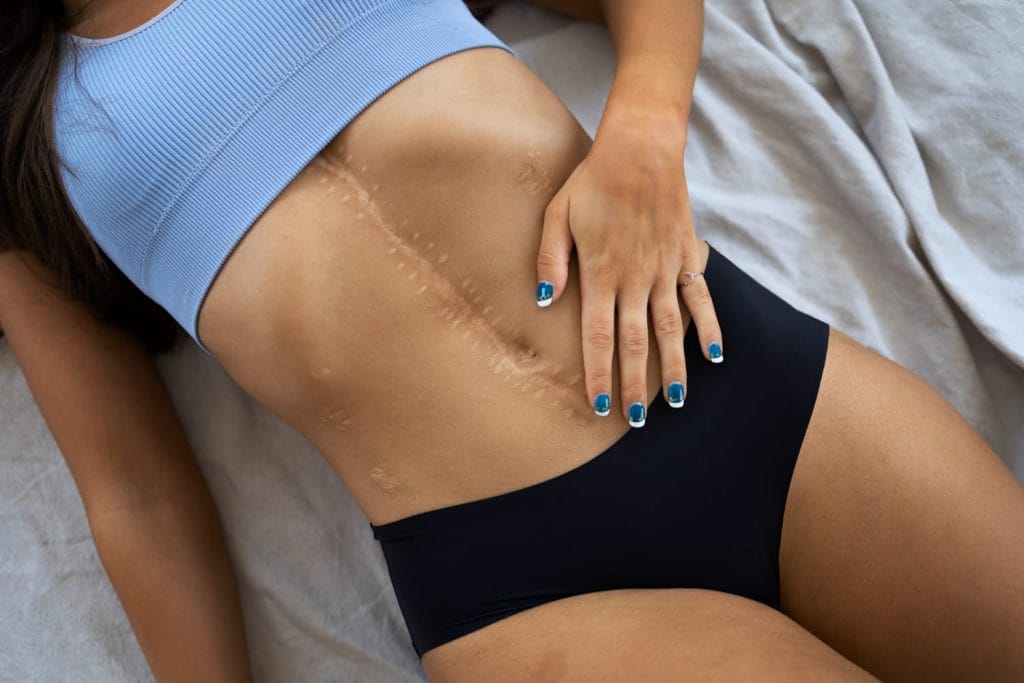
Some swelling, puffiness and stiffness are a normal part of healing. Your body sends fluid and immune cells to the surgical area to protect and repair tissues.
But if fluid builds up faster than it can be cleared, you might notice:
Your surgical team may recommend:
These are important medical tools and should always be worn as prescribed. Manual lymphatic drainage post surgery is designed to complement, not replace, compression, post surgery bras or stockings. A therapist will usually work around your garments and time your sessions to fit with your medical advice.
Research and clinical experience suggest several potential benefits when MLD is used appropriately after surgery, particularly in the context of lymphoedema and cosmetic procedures.
By gently encouraging lymph fluid to move, MLD can help:
This can make the surgical area feel less tight and uncomfortable, and may help you notice your final results sooner.
When swelling is better controlled, the tissues receive more oxygen and nutrients. Some studies suggest that MLD may support wound healing and improve scar quality when used as part of a wider rehabilitation plan.
You should never have strong massage directly over fresh scars, and your therapist will always keep clear of stitches or incisions until your surgeon confirms that the area is fully healed.
Beyond local effects on swelling, many people report that manual lymphatic drainage post surgery helps them:
Some research suggests MLD may reduce pain, improve fatigue and increase overall comfort in certain conditions.
It’s not a cure for post-surgical fatigue (which is influenced by anaesthetic, blood loss, stress and other factors), but it can be a gentle way to support your nervous system while your body repairs.
Feeling low, tearful or anxious after surgery is very common. While manual lymphatic drainage is not a treatment for clinical depression, its calming effect and focus on touch, breath and relaxation can be a supportive part of your wellbeing plan. Many people find that having regular, soothing sessions helps them feel more in tune with their bodies and less overwhelmed.
If low mood persists, always speak to your GP or specialist team – emotional recovery is just as important as physical.
There isn’t a single “right” time, because it depends on:
For some cosmetic surgeries, surgeons may recommend starting gentle MLD within the first couple of weeks once there is no active bleeding and incisions are stable. For others, they prefer to wait longer.
Golden rule:
Always get clear permission from your surgeon or medical team before booking manual lymphatic drainage post surgery.
Swelling and fatigue often:
MLD is usually most helpful during the period when swelling and stiffness are most noticeable. Many clients choose a short block of sessions (for example, weekly or twice-weekly for several weeks) and then space them out as they recover.
A post-surgical MLD appointment will look quite different from a typical “spa massage”.
Your therapist will:
They will avoid:
No – properly performed MLD should be painless and deeply relaxing. Most people describe it as a very light, rhythmic skin stretch rather than a muscle massage. If you experience pain or discomfort, always tell your therapist immediately
This varies widely. Some people notice a difference after one or two sessions; others benefit from a series of treatments across several weeks. Your therapist will discuss a plan based on:
Manual lymphatic drainage is generally safe when carried out by properly trained therapists, but it is not suitable for everyone.
You may be advised to avoid MLD or delay treatment if you have:
Your therapist will complete a detailed health screen and may ask for written approval from your doctor or surgeon. This is a positive safety step, not an obstacle.
Always contact your medical team urgently if you notice:
These are medical emergencies and are not suitable for massage of any kind.
Manual lymphatic drainage post surgery works best as part of a wider recovery plan agreed with your healthcare team.
Helpful strategies often include:
Your therapist may show you very gentle self-care movements (sometimes called simple lymphatic drainage) to use between sessions, but they will keep things safe and within your surgeon’s guidelines – no deep pressure or vigorous DIY massage over healing tissues.
Choosing the right therapist matters just as much as choosing the right treatment.
When booking manual lymphatic drainage post surgery, look for:
At MassageTherapy.London, manual lymphatic drainage is offered as a gentle, collaborative therapy:
Ready to explore manual lymphatic drainage post surgery in London?
Get in touch to discuss your procedure, ask questions and book a session that supports your individual recovery plan.
Used at the right time and with medical approval, manual lymphatic drainage can help reduce swelling, bruising and discomfort, particularly after cosmetic or breast surgery, and as part of lymphoedema management.
There’s no single rule. Some surgeons encourage gentle MLD within the first couple of weeks; others prefer to wait until wounds are fully closed. Always follow your surgeon’s specific advice and only book when they confirm it’s safe for your type of surgery.
Swelling usually peaks in the first week or two, then gradually improves over several weeks or months. Major surgeries or procedures in areas with less natural drainage may take longer. MLD can be helpful during the period when swelling feels most noticeable.
It can’t remove the effects of anaesthetic or blood loss, but many people feel more rested, less heavy and more comfortable after sessions. Some research suggests MLD may improve fatigue and overall wellbeing in certain conditions, which may translate to feeling more energised during recovery.
MLD is not a replacement for psychological support, medication or talking therapies. However, its calming, nurturing nature can support emotional wellbeing. If you feel persistently low or hopeless after surgery, contact your GP or specialist team for additional help.
No. Manual lymphatic drainage should feel light, soothing and almost hypnotic. If you feel pain or intense pressure, it’s not being performed correctly for a post-surgical situation.
People with active infections, untreated blood clots, severe heart or kidney problems, or other serious medical issues may be advised to avoid MLD, at least temporarily. Your therapist will screen you carefully and may ask for written clearance from your doctor.

Marta Suchanska is the founder of MɅSSɅGE, a Certified Massage Therapist, Nutritional Therapist, and final-year student of Osteopathic Medicine based in Marylebone, London. With over 10 years of experience, she specialises in a holistic, personalised approach to women’s health and chronic pain. Marta’s mission is to address root causes, helping clients restore balance and long-term wellbeing.
Book Your Massage in Marylebone
Ready to experience the benefits of regular massage?
Book your personalised session at our Marylebone clinic today.
Call us or use our online booking system to schedule your appointment and start your wellness journey.
The Spring Reset: Lymphatic Drainage, Gut Health & Sustainable Nutrition. Home / Blog As a
Deep Tissue Massage London vs Myofascial Release London: An Expert Guide Home / Blog If